RxPriceWatch Transparent Pricing for Prescription Medications

RxPriceWatch

Transparent Pricing for Prescription Medications

Latest Articles

Silence at the Counter: Why the Person Who Knows Your Cheapest Option Often Can't Bring It Up
Insurance & Out-of-Pocket Costs

Silence at the Counter: Why the Person Who Knows Your Cheapest Option Often Can't Bring It Up

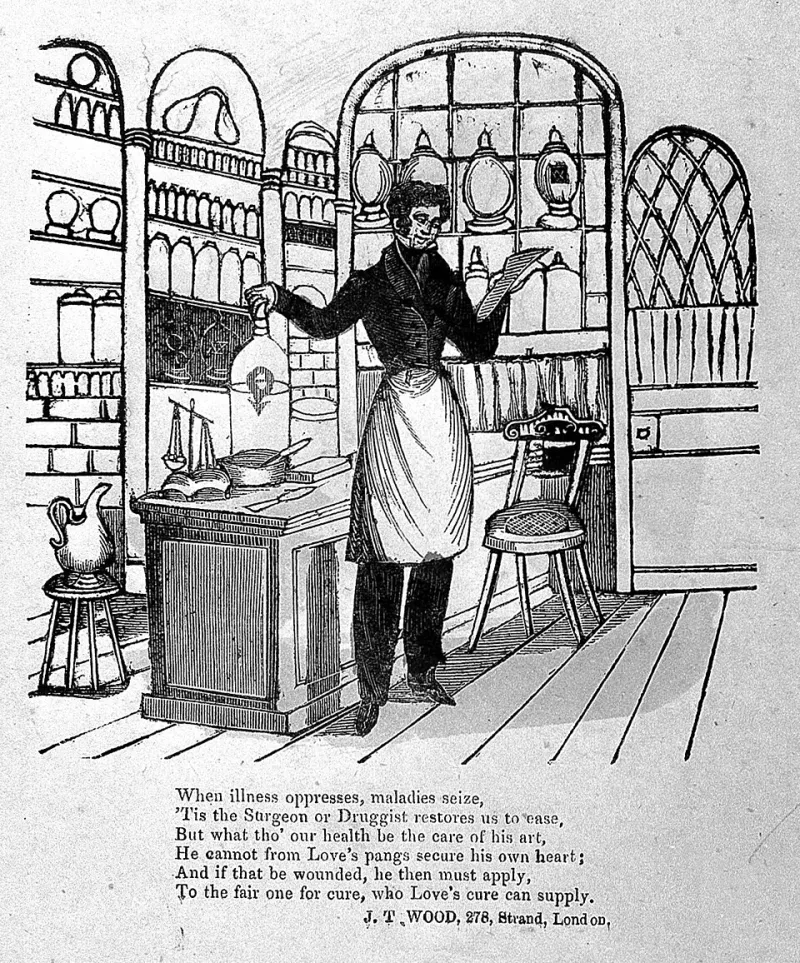
Your pharmacist can see a dozen ways to fill your prescription — and corporate policy, contract clauses, and old state gag rules can keep them from telling you about the cheapest one. This opinion piece argues that price transparency should start at the counter, not on a comparison website.


Your Refill Receipt Is a Dataset: How to Build a Personal Drug Price History That Pays for Itself
Drug Pricing & Affordability

Your Refill Receipt Is a Dataset: How to Build a Personal Drug Price History That Pays for Itself

Most patients have no idea what they paid for the same medication six months ago, at a different pharmacy, or through a different payment method. This step-by-step guide shows how a simple spreadsheet can reveal pricing patterns, strengthen negotiations, and routinely save hundreds of dollars a year.

The $4 Generic List in 2026: An Audit of What Walmart, Kroger, and Publix Still Cover
Drug Pricing & Affordability

The $4 Generic List in 2026: An Audit of What Walmart, Kroger, and Publix Still Cover

Nearly two decades after Walmart launched its famous $4 generic program, these pharmacy discount lists remain one of the most underused savings tools in American healthcare. We examined what each major program covers in 2026, which drugs have quietly disappeared, and how to stack these prices with other strategies.

Crossing State Lines for Cheaper Prescriptions: The Legal Realities, Insurance Complications, and Financial Math Behind a Growing Trend
Insurance & Out-of-Pocket Costs

Crossing State Lines for Cheaper Prescriptions: The Legal Realities, Insurance Complications, and Financial Math Behind a Growing Trend

A quiet but measurable number of Americans are factoring state lines into their prescription-filling decisions, drawn by price disparities that can reach hundreds of dollars on a single fill. The practice exists in a complex legal and financial gray zone, touching on insurance network rules, state pharmacy regulations, and overlooked tax considerations. This investigation examines the practical realities of interstate prescription filling and what it means for patients, pharmacists, and the broa

When Buying More Costs You More: The Hidden Long-Term Price of 90-Day Prescription Fills
Insurance & Out-of-Pocket Costs

When Buying More Costs You More: The Hidden Long-Term Price of 90-Day Prescription Fills

The logic of buying in bulk applies readily to household goods, but prescription medications operate under a fundamentally different financial architecture. Insurance plan structures, deductible mechanics, and formulary change schedules can transform an apparently discounted 90-day fill into a net-negative financial decision over the course of a plan year. This analysis examines the specific mechanisms by which larger-quantity fills erode their own savings—and provides a decision framework for d

Timing Your Refill to the Calendar: How the Day You Pick Up Your Prescription Shapes What You Pay
Drug Pricing & Affordability

Timing Your Refill to the Calendar: How the Day You Pick Up Your Prescription Shapes What You Pay

The date printed on your pharmacy receipt may be doing more financial work than you realize. Insurance plan mechanics, inventory cycles, and rebate schedules converge on specific calendar windows to create price disparities that can exceed hundreds of dollars annually. This analysis breaks down the hidden arithmetic of daily prescription pricing and offers a practical framework for identifying the lowest-cost fill dates for your chronic medications.

The First-Fill Penalty: What Pharmacy Transfers Really Cost and How to Protect Your Wallet
Drug Pricing & Affordability

The First-Fill Penalty: What Pharmacy Transfers Really Cost and How to Protect Your Wallet

Transferring a prescription to a new pharmacy seems straightforward, but a web of inventory fees, insurance reprocessing charges, and system-driven price adjustments can make your first fill unexpectedly expensive. RxPriceWatch examines the mechanics behind transfer-related cost increases and offers a practical framework for navigating them without overpaying.

Loyalty Programs at the Pharmacy Counter: Are Reward Points Costing You More Than They're Worth?
Drug Pricing & Affordability

Loyalty Programs at the Pharmacy Counter: Are Reward Points Costing You More Than They're Worth?

Pharmacy loyalty programs promise savings through points, exclusive discounts, and member pricing — but the underlying pricing structure may tell a different story. RxPriceWatch examines whether CVS ExtraBucks, Walgreens myWalgreens, and similar programs deliver genuine value or quietly inflate baseline drug prices to subsidize their own reward ecosystems. The findings may change how you approach your next prescription refill.

The 72-Hour Price Window: How Pharmacy Pricing Cycles Create Unexpected Savings Opportunities for Savvy Patients
Drug Pricing & Affordability

The 72-Hour Price Window: How Pharmacy Pricing Cycles Create Unexpected Savings Opportunities for Savvy Patients

Prescription drug prices at major pharmacy chains are not as fixed as most patients assume—wholesale cost adjustments, inventory fluctuations, and supplier contract resets can shift what you pay by a meaningful margin within a single business week. Understanding the mechanics behind these short-term pricing windows gives patients a rare, actionable advantage. This investigation breaks down when prices move, why they move, and how to position your refill timing to capture those drops.

Same Pill, Wildly Different Price: How Identical Prescriptions Can Cost Five Times More Depending on Where You Fill Them
Drug Pricing & Affordability

Same Pill, Wildly Different Price: How Identical Prescriptions Can Cost Five Times More Depending on Where You Fill Them

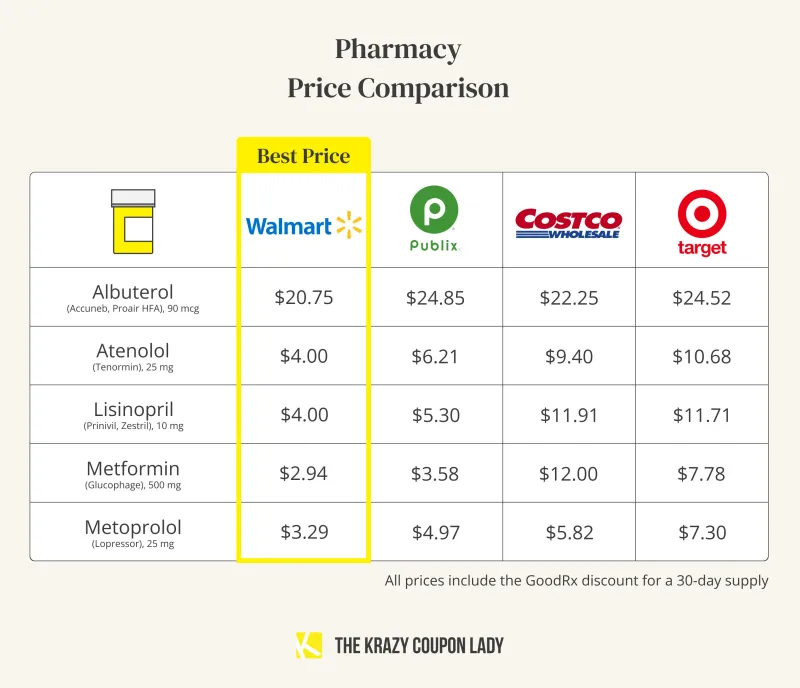
Walk into a CVS on one side of town and pay $150 for a 30-day supply of a common medication. Drive four miles to a big-box retailer and pay $28 for the exact same drug, same dosage, same quantity. This is not an anomaly — it is a routine feature of American pharmaceutical retail, and most patients never see it coming.

Invisible Hands at the Pharmacy Counter: How Algorithmic Pricing Is Quietly Changing What Americans Pay for Drugs
Drug Pricing & Affordability

Invisible Hands at the Pharmacy Counter: How Algorithmic Pricing Is Quietly Changing What Americans Pay for Drugs

Artificial intelligence and predictive analytics are increasingly embedded in the systems that determine prescription drug prices — often without patients ever knowing it. This investigation explores how insurers and pharmacy chains deploy dynamic pricing algorithms, why those systems lack transparency, and what consumers can do to protect themselves.

Behind the Curtain: How Pharmacy Benefit Managers Hide the Real Price of Your Prescription
Drug Pricing & Affordability

Behind the Curtain: How Pharmacy Benefit Managers Hide the Real Price of Your Prescription

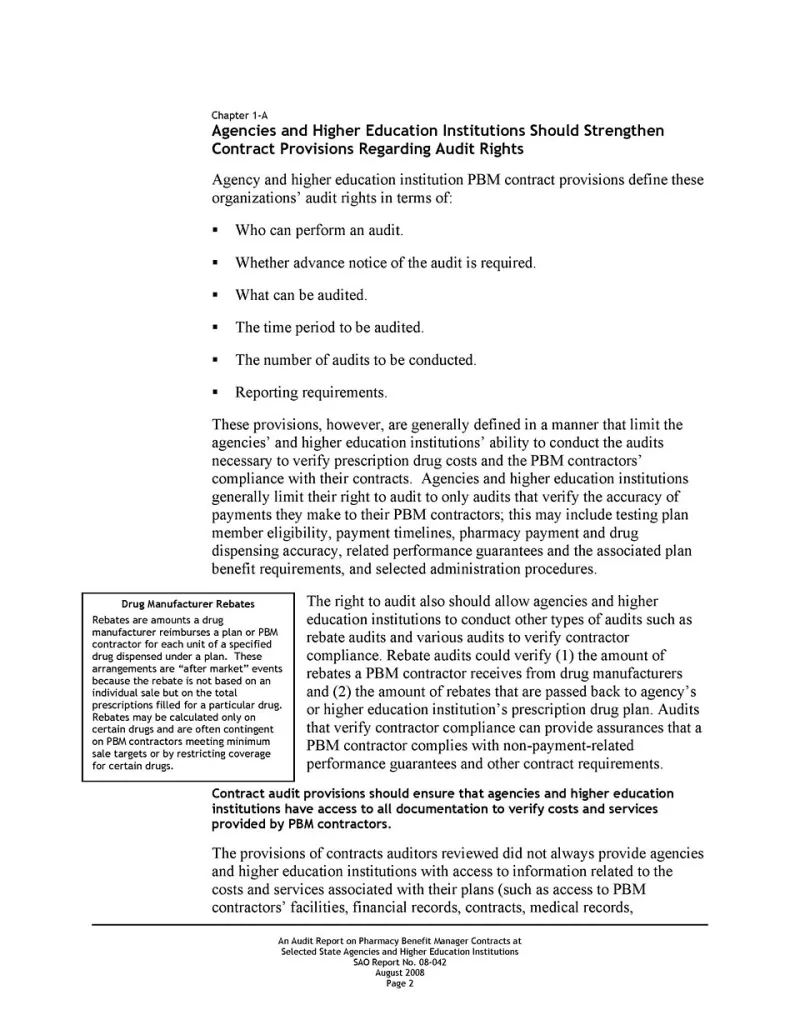
Pharmacy Benefit Managers sit between your insurer and your pharmacist, negotiating drug prices in near-total secrecy. The rebates they collect, the tiers they assign, and the formulary decisions they make directly shape what you pay — yet almost none of that information is accessible to patients. This article breaks down how the PBM blackbox operates and what you can do to find your actual out-of-pocket cost before it surprises you at the counter.

Mid-Year Pharmacy Switches: The Hidden Deductible Reset That Could Drain Your Health Budget
Insurance & Out-of-Pocket Costs

Mid-Year Pharmacy Switches: The Hidden Deductible Reset That Could Drain Your Health Budget

Changing pharmacies in the middle of a plan year may feel like a simple convenience decision, but for millions of insured Americans, it can silently erase months of deductible progress. Understanding how pharmacy networks track and accumulate cost-sharing data is essential before making any mid-year switch. This analysis examines the financial mechanics behind pharmacy deductible accumulation and offers a structured framework for evaluating whether switching is truly worth the cost.

The Hidden Clock Inside Your Insurance Plan: How Refill Timing Algorithms Are Quietly Inflating Your Prescription Costs
Insurance & Out-of-Pocket Costs

The Hidden Clock Inside Your Insurance Plan: How Refill Timing Algorithms Are Quietly Inflating Your Prescription Costs

Most patients assume that filling a prescription a few days early is a harmless convenience. What they do not know is that pharmacy benefit managers have built sophisticated timing systems that can trigger measurable cost increases the moment a refill request falls outside a narrow approval window. This article examines how those systems work, who profits from them, and what you can do to protect your wallet.

Skipping Your Insurance Card at the Pharmacy Counter: The Cash Price Strategy That Could Cut Your Drug Costs in Half
Drug Pricing & Affordability

Skipping Your Insurance Card at the Pharmacy Counter: The Cash Price Strategy That Could Cut Your Drug Costs in Half

Millions of Americans assume their insurance card always delivers the lowest possible price at the pharmacy — but that assumption is frequently wrong. A growing number of patients are discovering that paying cash, often through discount platforms, undercuts their own copay by a significant margin. This guide explains why the inversion exists, which drug categories are most affected, and how to safely execute the strategy.

Insurance & Out-of-Pocket Costs

Why That Pharma Coupon Could Cost You More Than Paying Full Price: The Hidden Mechanics of Manufacturer Assistance Programs

Pharmaceutical manufacturer coupons and patient assistance programs are marketed as financial lifelines, but for many insured Americans, accepting them can trigger unexpected cost consequences that far outweigh the initial savings. From copay accumulator policies to claim denials, the fine print surrounding these programs deserves careful scrutiny. RxPriceWatch examines the structural mechanics behind these offers and explains how to evaluate whether a manufacturer program genuinely benefits you

When Generics Arrive but Your Bill Goes Up: The Counterintuitive Price Trap Hiding in Plain Sight
Drug Pricing & Affordability

When Generics Arrive but Your Bill Goes Up: The Counterintuitive Price Trap Hiding in Plain Sight

Most Americans assume that the arrival of a generic drug automatically means lower costs at the pharmacy counter. In reality, for millions of uninsured and underinsured patients, the expiration of brand-name exclusivity can trigger a surprising and painful price increase. This analysis examines why that happens—and what you can do to protect yourself before the next patent cliff catches you off guard.

Coverage Gaps and Cost Cliffs: What Happens to Your Drug Prices When Insurance Disappears
Insurance & Out-of-Pocket Costs

Coverage Gaps and Cost Cliffs: What Happens to Your Drug Prices When Insurance Disappears

For millions of Americans, the moment insurance coverage lapses is the moment prescription costs can multiply by two, three, or even five times overnight. This investigation examines the specific triggers that create these dramatic price cliffs, the chronic conditions most affected, and the concrete steps patients can take before coverage ends to prevent financial disruption.

When the Shelf Goes Empty: How FDA Drug Shortages Quietly Drive Up What You Pay at the Pharmacy Counter
Drug Pricing & Affordability

When the Shelf Goes Empty: How FDA Drug Shortages Quietly Drive Up What You Pay at the Pharmacy Counter

Drug shortages are rarely front-page news until patients arrive at the pharmacy and discover their medication is unavailable — or suddenly costs far more than expected. This investigation examines how supply chain disruptions translate directly into higher out-of-pocket costs, and what steps informed patients can take to protect themselves before a shortage hits their prescription.

Drug Pricing & Affordability

Calendar-Driven Cost Shocks: The Hidden Dates That Send Your Prescription Prices Soaring

Prescription drug prices do not rise randomly — they follow predictable calendar patterns tied to patent expirations, formulary resets, and manufacturer pricing cycles. Understanding which dates and quarters historically trigger the sharpest cost increases can help patients take proactive steps to lock in lower prices before they vanish. This investigation breaks down the forces behind sudden medication cost spikes and offers concrete timing strategies for US consumers.

Recommended

casinos not on gamstop non gamstop casino casino not on gamstop