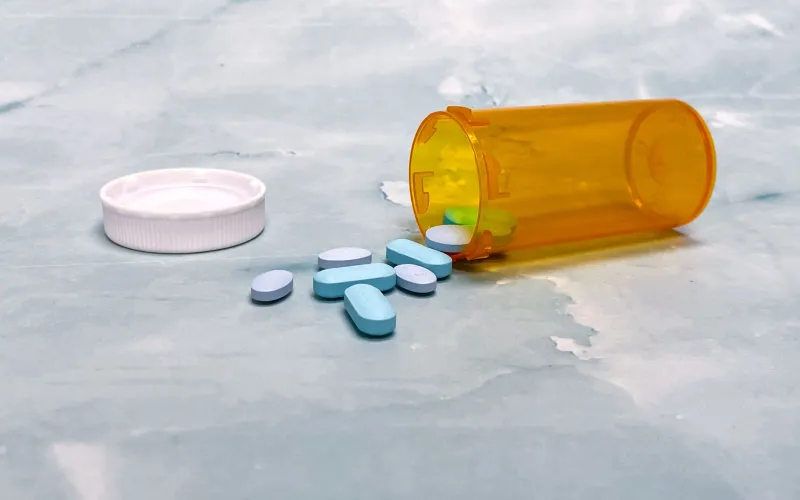
When the Shelf Goes Empty: How FDA Drug Shortages Quietly Drive Up What You Pay at the Pharmacy Counter
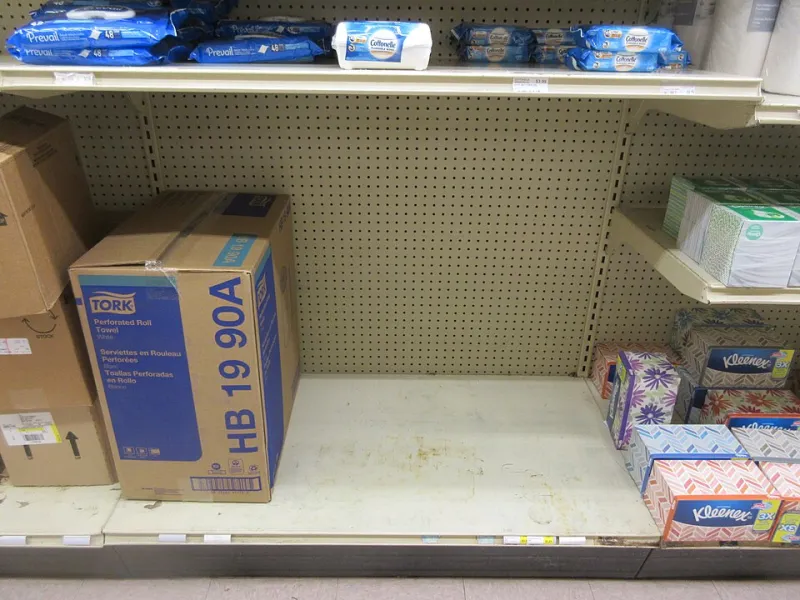
Photo: Infrogmation of New Orleans, CC BY-SA 4.0, via Wikimedia Commons
For most Americans, a trip to the pharmacy is routine. You hand over a prescription, wait a few minutes, and leave with your medication. But when a drug shortage strikes, that routine collapses — and what follows is rarely just inconvenience. It often comes with a price tag that patients never anticipated.
The U.S. Food and Drug Administration maintains an active shortage database that, at any given moment, lists dozens of medications in limited or unavailable supply. What that database does not tell you is what happens to pricing when those shortages ripple through the distribution chain and arrive at your local pharmacy counter.
The Mechanics of a Drug Shortage
Pharmaceutical shortages originate from several sources: manufacturing quality failures, raw material disruptions, regulatory actions against production facilities, and — increasingly — the fragility of a global supply chain that sources active pharmaceutical ingredients primarily from overseas manufacturers.
When a major supplier reduces output or halts production entirely, wholesalers begin allocating remaining inventory to their largest customers first. Independent pharmacies and smaller regional chains frequently find themselves at the back of the line. As available supply shrinks, the economic logic is straightforward: scarcity creates pricing pressure.
Unlike consumer electronics or gasoline, however, prescription drugs occupy a uniquely regulated space. Manufacturers cannot simply raise list prices overnight without scrutiny. Instead, the markup often manifests in less visible ways — through compounding pharmacy substitutions, brand-name alternatives replacing generics, or the quiet disappearance of discount programs and manufacturer coupons precisely when patients need them most.
Case Study: The Adderall Shortage and Its Financial Fallout
The nationwide shortage of amphetamine mixed salts — commonly known by the brand name Adderall — that began in late 2022 and persisted well into 2023 offers one of the most documented examples of shortage-driven cost escalation.
At its peak, patients with ADHD diagnoses were calling multiple pharmacies daily, only to be turned away repeatedly. Those who did locate stock frequently discovered that the generic version they had been filling for years was unavailable, leaving only brand-name formulations at prices sometimes four to six times higher. A monthly supply of generic amphetamine salts that had cost a patient roughly $30 out of pocket suddenly required a brand-name prescription that, without manufacturer coupons (which were also in limited availability), ran $200 or more.
Insurance coverage added another layer of complexity. Many plans place brand-name stimulants on higher formulary tiers specifically because generics are assumed to be available. When the generic disappears, insurers do not automatically reclassify the brand-name equivalent — meaning patients bore the difference.
Compounding Pharmacies: A Pressure Valve With Its Own Costs
During shortage periods, compounding pharmacies often step in to fill the void. These state-licensed facilities can prepare customized formulations of medications that are temporarily unavailable through conventional channels. During the GLP-1 receptor agonist shortages — which affected semaglutide products beginning in 2022 — compounding pharmacies became a widely discussed alternative.
However, compounded medications are not interchangeable with FDA-approved products in the eyes of most insurance plans. Patients who turned to compounding pharmacies for semaglutide injections typically paid entirely out of pocket, with monthly costs ranging from $150 to $500 depending on the provider and dosage. While this represented savings compared to the list price of brand-name GLP-1 drugs, it was a significant and unexpected expense for patients who had previously paid only a copay.
It is also worth noting that the FDA has raised quality and safety concerns about certain compounded medications, making patient due diligence essential when evaluating this option.
How Wholesaler Allocation Policies Affect Your Local Pharmacy
Large pharmacy chains — CVS, Walgreens, Rite Aid, and others — typically have preferred wholesaler relationships that offer some degree of supply priority. Independent pharmacies, which serve a disproportionate share of rural and underserved communities, often lack these advantages.
When a shortage hits, independent pharmacies may be forced to source medications through secondary distributors or the so-called "spot market" — a gray area of pharmaceutical distribution where prices are set by immediate supply and demand rather than contracted rates. Medications purchased through these channels cost the pharmacy more, and those costs are frequently passed along to patients, particularly those paying cash or using discount programs rather than insurance.
This dynamic means that patients at independent pharmacies — who are often lower-income or located in pharmacy deserts — can face steeper price increases during shortage periods than their counterparts at major chains.
Strategies for Navigating Shortage Periods
Patients who monitor the FDA's drug shortage database proactively are better positioned to respond before supply completely dries up at their preferred pharmacy. The database, available at accessdata.fda.gov, is updated regularly and lists not only current shortages but also their anticipated resolution timelines.
Several practical steps can reduce financial exposure during shortage events:
Request an early refill. If your medication appears on the shortage list and your current supply is approaching its end, contact your pharmacy and prescriber about filling your next prescription ahead of schedule. Most insurance plans permit early refills under documented shortage conditions, though this typically requires a call to the insurer or pharmacy benefit manager.
Ask your prescriber about therapeutic alternatives. Many medications have pharmacologically similar alternatives in the same drug class. During the Adderall shortage, some clinicians transitioned appropriate patients to methylphenidate-based formulations, which remained more readily available. This is a clinical decision that requires physician involvement, but it is worth raising explicitly.
Compare prices across pharmacy chains proactively. During shortages, inventory is unevenly distributed across pharmacy networks. Calling ahead — or using pharmacy stock-checking tools — can identify which locations have supply before you transfer your prescription unnecessarily.
Evaluate manufacturer patient assistance programs. Some brand-name manufacturers expand patient assistance eligibility during shortage periods when patients are forced from generics to brand-name alternatives. These programs are income-based and require application, but they can meaningfully offset cost increases.
Document everything for insurance appeals. If your insurer denies coverage for a brand-name drug or compounded alternative during a documented shortage, a formal appeal citing the FDA shortage record has a reasonable chance of success. Your prescriber can often submit supporting documentation on your behalf.
The Transparency Gap
One of the most persistent challenges during drug shortage events is the absence of real-time, patient-accessible pricing data. Pharmacy benefit managers — the intermediaries who negotiate drug prices between insurers and pharmacies — do not publish shortage-period pricing adjustments. Patients frequently discover elevated costs only at the point of sale.
RxPriceWatch tracks pricing trends for commonly prescribed medications and will continue to flag significant shortage-related price movements as they occur. Readers are encouraged to check current pricing data for their medications regularly, particularly for drugs that appear on the FDA shortage list, and to treat any significant price increase at the pharmacy counter as a signal worth investigating further.
Drug shortages are, in many respects, a structural feature of the U.S. pharmaceutical supply chain rather than an anomaly. Patients who understand how shortages translate into pricing pressure — and who know which tools to reach for when supply tightens — are substantially better protected than those who encounter these dynamics for the first time at the pharmacy window.