Skipping Your Insurance Card at the Pharmacy Counter: The Cash Price Strategy That Could Cut Your Drug Costs in Half

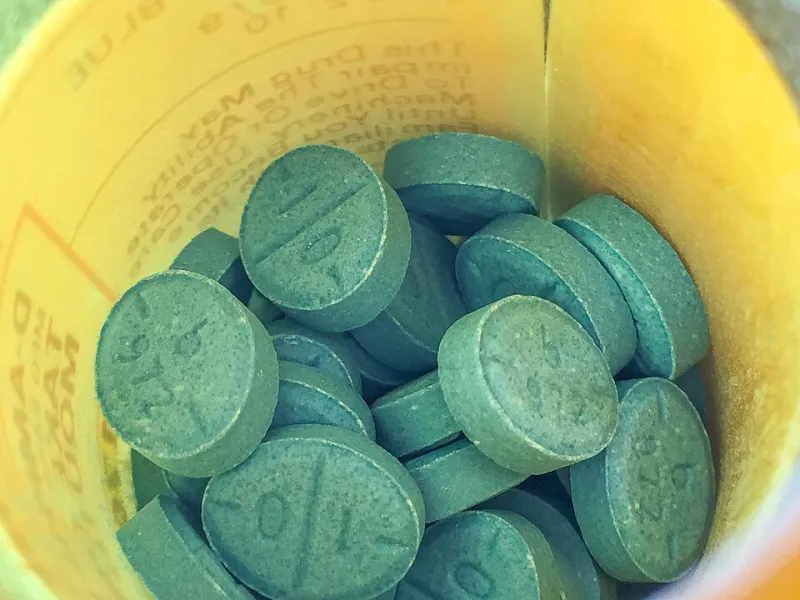
Photo: Amitav Joyprakash Choudhury, CC BY-SA 4.0, via Wikimedia Commons
The Assumption That Costs Americans Millions Each Year
For most patients, the ritual is automatic: hand the pharmacist an insurance card, collect the prescription, pay whatever copay appears on the screen. The logic seems sound — insurance exists precisely to reduce out-of-pocket costs, so bypassing it would be financially irrational. Except, increasingly, it isn't.
Pharmacy pricing data reviewed by RxPriceWatch reveals a persistent and underreported phenomenon: for a meaningful subset of commonly prescribed medications, the uninsured cash price — particularly when accessed through third-party discount programs — falls below what insured patients pay through their pharmacy benefit plan. This is not a fringe occurrence. Analysts at healthcare transparency organizations estimate that for roughly one in five generic prescriptions, a cash price is cheaper than the applicable insurance copay.
Understanding why this happens requires a brief detour into how pharmacy pricing actually works.
Why Drug Prices Invert: The Role of PBMs and Copay Floors
Pharmacy Benefit Managers, or PBMs, sit between insurers and pharmacies, negotiating drug prices and structuring the formularies that determine what patients pay. While PBMs negotiate rebates from manufacturers on brand-name drugs — savings that do not always flow to patients — their influence on generic pricing creates a different distortion.
Insurers typically assign generics to Tier 1 of their formulary, attaching a fixed copay, commonly between $10 and $20. That figure sounds modest. But generic drug manufacturing costs have collapsed over the past decade. Many widely used generics — certain blood pressure medications, common antidepressants, basic antibiotics — now cost pharmacies just a few dollars per month to acquire. Discount programs negotiate directly with pharmacies on cash transactions, bypassing the PBM layer entirely and reflecting something closer to actual market cost.
The result: a $15 insurance copay for a 30-day supply of a generic statin may sit above the $4 to $9 cash price available through GoodRx, Blink Health, Cost Plus Drugs, or a pharmacy's own discount program. The insurance card, in this scenario, is not a discount mechanism — it is a price floor.
Which Drug Categories Show the Steepest Price Inversions
Not every prescription will trigger this dynamic, and patients should not assume cash is always superior. However, certain therapeutic categories consistently surface in pricing analyses as candidates for cash-over-insurance consideration:
Generic statins and cardiovascular drugs. Medications such as simvastatin, atorvastatin (generic), and lisinopril have become extraordinarily cheap to produce. Cash prices through discount platforms frequently range from $4 to $12 for a 30-day supply — often below standard Tier 1 copays.
Common antibiotics. Short-course generics like amoxicillin, doxycycline, and azithromycin are frequently dispensed at cash prices of $4 to $15, making them strong candidates for bypassing insurance.
Generic psychiatric medications. Drugs like sertraline, escitalopram, and bupropion have seen dramatic price compression. Depending on dose and supply duration, cash prices can undercut copays by $5 to $15.
Thyroid medications. Levothyroxine, one of the most prescribed drugs in the United States, is routinely available at cash prices well below standard copay tiers.
Basic diabetes management drugs. Metformin, the first-line oral diabetes medication, is among the cheapest generics on the market and a frequent example cited in cash-versus-copay comparisons.
A Step-by-Step Guide to Identifying and Executing the Strategy
Patients interested in exploring this approach can do so methodically without disrupting their broader healthcare management.
Step 1: Identify your current copay. Before filling a prescription, confirm what your insurance plan charges for that specific drug at your preferred pharmacy. Your insurer's app, member portal, or a quick call to the benefits line will provide this figure.
Step 2: Look up cash prices independently. Visit GoodRx.com, Cost Plus Drugs (Mark Cuban's transparent-pricing platform), Blink Health, or RxSaver and search for your medication by name, dosage, and quantity. Prices vary by platform and by pharmacy location, so check multiple sources.
Step 3: Compare net costs. If the cash price plus any platform fee is lower than your copay, the math favors paying out of pocket. The difference may seem minor for a single fill but compounds meaningfully over months or years of chronic medication use.
Step 4: Ask your pharmacist directly. Pharmacists are legally permitted to discuss cash pricing with patients and, in many states, are now required to proactively disclose when a cash price is lower than a patient's copay — a provision included in patient protection legislation that has passed in several states and was addressed at the federal level through the Patient Right to Know Drug Prices Act.
Step 5: Understand the insurance implications. This is critical: when you pay cash and do not run a claim through insurance, that transaction typically does not count toward your annual deductible or out-of-pocket maximum. For patients managing high-cost specialty drugs alongside inexpensive generics, strategically using cash for the cheap drugs while running expensive medications through insurance may be optimal. Consult your benefits documentation or a benefits advisor before restructuring your approach.
What Pharmacists and Insurers Say
Pharmacists, particularly independent operators, are largely supportive of patients making informed cash-versus-copay comparisons. Many express frustration that PBM contracts have historically included "gag clauses" that prevented pharmacy staff from volunteering pricing information. Federal legislation enacted in 2018 prohibited such clauses for Medicare and Medicaid plans, and similar protections have expanded into commercial insurance markets.
"Patients deserve to know all their options," said one independent pharmacist in the Midwest when contacted by RxPriceWatch. "If someone can save $10 a month on a medication they'll take for years, that matters."
Insurers and PBMs take a more measured position. Industry representatives argue that the copay structure reflects the broader cost-management architecture of a benefit plan, and that widespread cash-paying behavior could, over time, affect how formularies are priced. Some insurers also note that cash transactions create gaps in medication adherence records, which can affect care coordination.
There is also a data dimension worth noting: discount program prices are not fixed and can fluctuate based on pharmacy participation agreements. A price available today may not be available in three months, making periodic rechecking advisable.
The Bottom Line for Informed Patients
The pharmacy arbitrage dynamic is neither a loophole to be exploited recklessly nor a rare anomaly. It is a structural artifact of how American drug pricing evolved — a system in which multiple intermediaries each add cost layers that do not always serve the patient at the counter.
For patients managing ongoing prescriptions for common generic medications, a few minutes of price comparison before each fill represents a genuinely useful financial practice. The tools are accessible, the process is legal, and the potential savings — modest per transaction but significant over time — are real.
RxPriceWatch recommends treating your insurance card as one pricing option among several, not as an automatic guarantee of the lowest available cost. In today's fragmented pharmacy market, the most informed patients are the ones who check before they assume.