Refill Timing Matters More Than You Think: Uncovering the Weekly Pricing Rhythms at Your Local Pharmacy
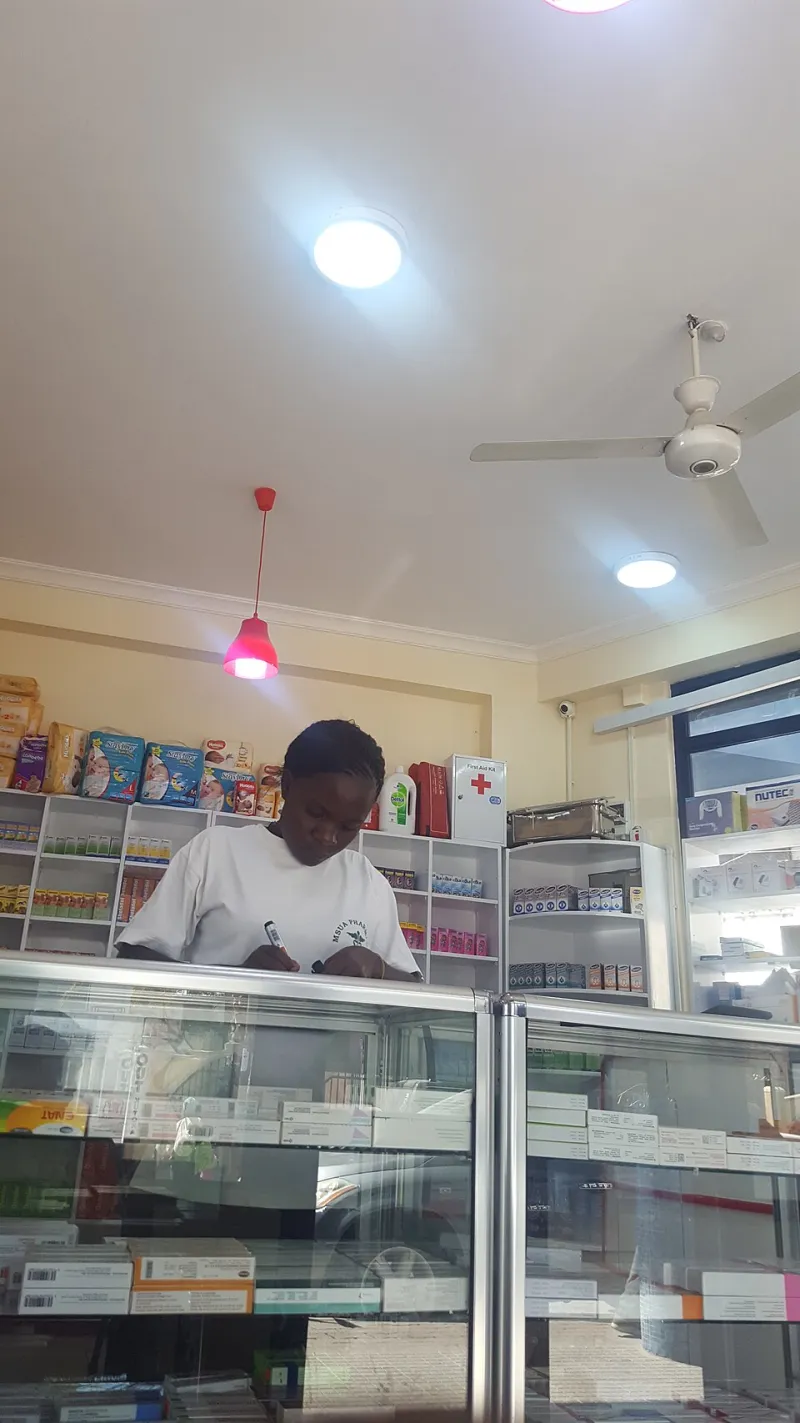
Photo: Akeeb Feroz, CC BY-SA 4.0, via Wikimedia Commons
The Assumption That Could Be Costing You Money
When patients hand over their insurance card or discount coupon at the pharmacy counter, most expect the price they paid last month to closely mirror what they owe today. For many common medications, that assumption is reasonable — but for a significant share of prescriptions, it is simply wrong. Pharmacy pricing is a dynamic system, one that responds to wholesale acquisition cost updates, third-party benchmark adjustments, and competitive signals from rival chains and independent pharmacies operating in the same ZIP code.
At RxPriceWatch, we track prescription prices across thousands of pharmacy locations nationwide. What that data consistently reveals is that the day of the week — and sometimes the specific week of the month — can have a measurable effect on what you pay out of pocket, particularly for generic medications and specialty drugs that are not locked into fixed insurance copays.
How Pharmacy Pricing Actually Works
To understand why prices fluctuate, it helps to understand the pricing infrastructure that pharmacies rely on. Most retail chains and independent pharmacies anchor their drug costs to one of several benchmark databases, the most prominent being the National Average Drug Acquisition Cost (NADAC), published weekly by the Centers for Medicare & Medicaid Services, and the Average Wholesale Price (AWP), which is updated by commercial pricing databases on a rolling basis.
When NADAC updates — typically released every Wednesday — pharmacies that use it as a pricing reference may adjust their systems within 24 to 72 hours. This means that a generic medication priced at one rate on Monday could carry a modestly different price by Friday, particularly at pharmacies using automated pricing engines that sync with these external benchmarks.
Additionally, pharmacy benefit managers (PBMs) — the intermediaries that negotiate between insurers and pharmacies — often push formulary or reimbursement rate updates on monthly cycles, frequently at the beginning or end of a calendar month. These updates can affect what a pharmacy is reimbursed, which in turn influences cash pricing for uninsured patients and those using discount programs like GoodRx or RxSaver.
The Weekly Rhythm: What the Data Suggests
Analysis of pricing trends across major pharmacy chains suggests that mid-week — specifically Wednesday through Thursday — tends to reflect the most recently updated benchmark costs. For generic drugs experiencing downward pricing pressure (a common occurrence as manufacturer competition increases), this mid-week window may offer marginally lower prices compared to the prior Friday or Monday, before the new NADAC figures have fully propagated through pharmacy systems.
Conversely, prices can temporarily spike at the turn of a month when PBM reimbursement contracts reset and pharmacies recalibrate their cash pricing models. Patients who refill a 30-day supply in the final two or three days of a calendar month may occasionally encounter prices that have not yet reflected incoming cost decreases.
It is important to note that these fluctuations tend to be more pronounced for generic medications — where acquisition costs are more volatile — than for brand-name drugs, which are governed by manufacturer list prices that change far less frequently.
How to Identify the Pattern at Your Specific Pharmacy
Not every pharmacy updates pricing on the same schedule, and independent pharmacies may operate on entirely different cycles from national chains. Here is a practical approach to identifying the pricing rhythm at your specific pharmacy:
Track your own receipts. For three to four consecutive refill cycles, note the exact price you paid and the date of each transaction. Even small differences — a dollar or two on a generic — can confirm whether your pharmacy follows a predictable pattern.
Use price-checking tools before you refill. Websites and apps that aggregate pharmacy pricing, including GoodRx, Blink Health, and RxSaver, pull live or near-live pricing data from participating pharmacies. Checking the same medication across the same pharmacy on a Tuesday versus a Thursday can sometimes reveal a meaningful difference.
Ask your pharmacist directly. This is underutilized advice. Many pharmacists are aware of their store's pricing update schedule and can tell you when their system last synced with benchmark databases. A brief, direct question — "Does your pricing update on a specific day of the week?" — is entirely appropriate and often yields useful information.
Timing Refills Without Compromising Adherence
The most critical caveat in any refill-timing strategy is medication adherence. Delaying a refill by two or three days to capture a lower price is only appropriate when you have a sufficient supply on hand. Running out of a medication — particularly one used to manage a chronic condition such as hypertension, diabetes, or a mood disorder — carries health risks that far outweigh any pricing benefit.
A responsible approach involves building a small buffer into your refill schedule. If your insurance or pharmacy plan allows you to refill at the 75% or 80% mark of your current supply (many do), use that window strategically. Fill on a Wednesday or Thursday if your tracking data suggests that is when your pharmacy's prices are lowest, and maintain enough of a cushion that a two-day delay never puts you at risk of missing a dose.
For patients on fixed incomes or those managing multiple medications, even modest per-prescription savings compound meaningfully over a year. A $3 reduction on a monthly generic refill translates to $36 annually — and across a household managing four or five prescriptions, that figure becomes significant.
The Broader Takeaway
Pharmacy pricing is not the static, opaque system many patients assume it to be. It is a dynamic market shaped by weekly benchmark updates, monthly PBM resets, and competitive pressures that vary by geography and pharmacy type. Patients who treat their refill date as a fixed, unconsidered habit are leaving potential savings on the table.
RxPriceWatch encourages all patients to approach their prescription costs with the same informed scrutiny they apply to other recurring household expenses. Track your prices, use available comparison tools, and do not hesitate to ask your pharmacist questions. In a market this complex, information is the most reliable cost-reduction tool available to consumers.