When Prescription Prices Fall: The Forces Behind Sudden Drug Cost Reductions and How to Stay Ahead of Them
Photo: U.S. Navy NMRTC by Emily McCamy, Public domain, via Wikimedia Commons
Most Americans assume prescription drug prices move in only one direction: upward. That assumption is understandable given years of headline-grabbing price increases from major pharmaceutical manufacturers. Yet the reality is considerably more nuanced. Drug prices do fall—sometimes sharply—and patients who understand why and when these drops occur are far better positioned to capitalize on them.
At RxPriceWatch, we track pricing data across thousands of medications. What that data consistently reveals is that price reductions follow predictable patterns, even if individual consumers rarely receive advance notice of them. This article examines the primary forces that drive prescription costs downward and offers a practical framework for monitoring your own medications.
Patent Expiration: The Single Largest Driver of Price Reduction
When a brand-name drug's patent expires, the legal exclusivity that allowed its manufacturer to charge premium prices comes to an end. Generic drug makers can then enter the market with chemically equivalent versions, often priced 80 to 85 percent below the original brand-name product. The FDA reports that within one year of a major drug going off-patent, generic versions typically capture between 80 and 90 percent of its market share.
This transition doesn't always happen instantly. The first generic manufacturer to receive FDA approval often enjoys a 180-day exclusivity period during which their product competes only with the brand-name version. Prices drop further once that exclusivity window closes and additional generics flood the market.
For patients, this means tracking patent expiration dates for any brand-name drugs they take regularly can yield meaningful financial benefits. The FDA's Orange Book, available at accessdata.fda.gov, lists patent and exclusivity information for approved drugs and is a reliable public resource for this purpose.
Manufacturer Promotions and Copay Assistance Programs
Pharmaceutical companies frequently introduce temporary price reductions through manufacturer coupons, patient assistance programs, and copay cards—particularly when a competing drug enters the market or when a product is approaching its patent cliff. These programs can dramatically reduce out-of-pocket costs for commercially insured patients, sometimes to as little as zero dollars per month.
However, it is important to understand their limitations. Most manufacturer copay assistance programs explicitly exclude patients enrolled in federal programs such as Medicare, Medicaid, or TRICARE. Additionally, these promotions are time-limited. A copay card that reduces your cost today may be discontinued next quarter without formal notice.
The practical takeaway: manufacturer assistance programs are worth pursuing, but they should be treated as temporary savings opportunities rather than long-term pricing solutions.
Increased Market Competition Among Generic Manufacturers
Even after generics are established in the market, prices can continue to fall as additional manufacturers enter. The competitive dynamics of the generic drug industry mean that a medication with five approved generic versions will typically cost less than one with only two. This is why a drug like metformin, which has dozens of approved generic manufacturers, costs only a few dollars per month at most major pharmacies.
Conversely, when generic manufacturers exit a market—due to manufacturing issues, raw material shortages, or business decisions—prices can spike. Monitoring the number of approved manufacturers for a given generic can provide early warning signs of potential price instability in either direction.
Pharmacy-Level Pricing Variability
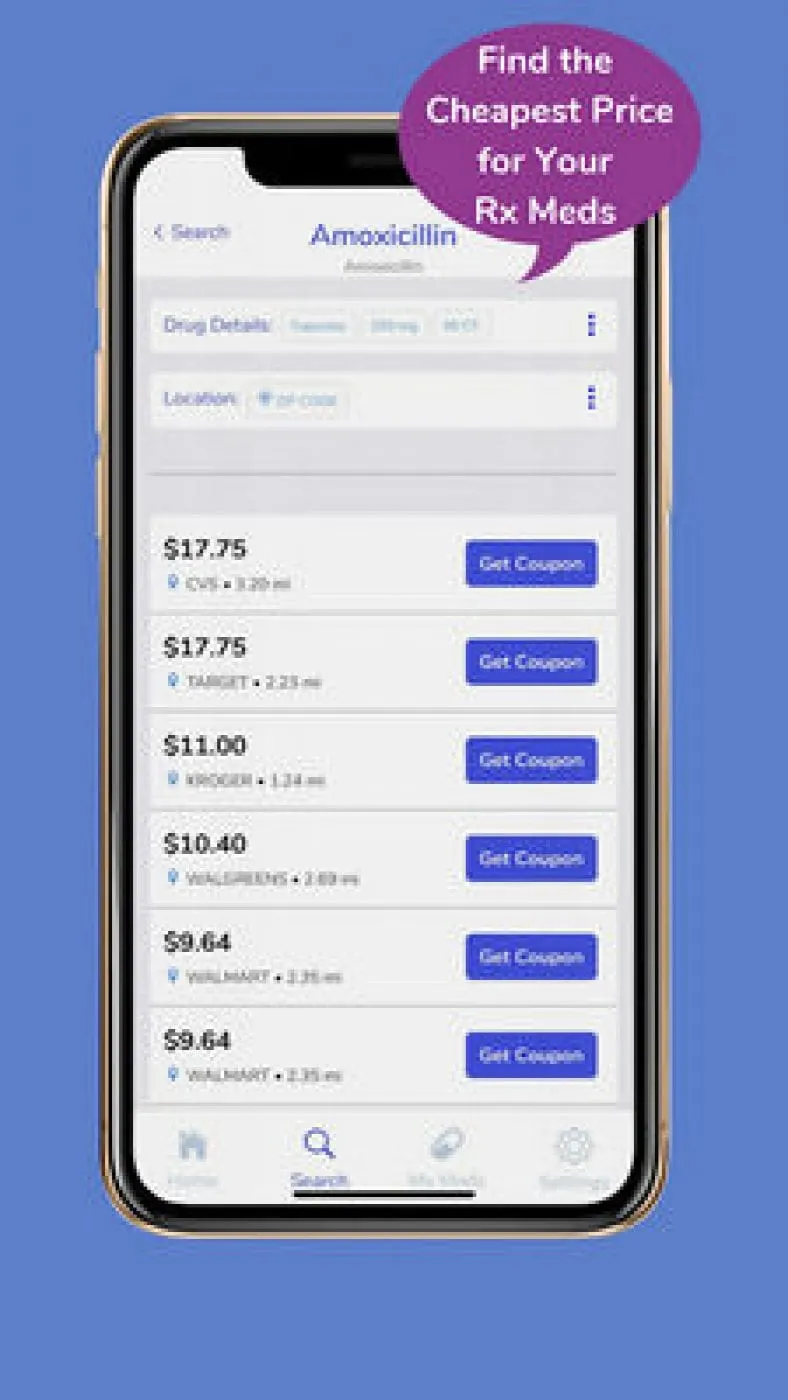
A fact that surprises many patients: the same medication, from the same manufacturer, can vary in price by 200 percent or more depending on which pharmacy fills the prescription. This variability exists because pharmacies negotiate individually with drug wholesalers and apply their own markup structures. Cash prices at independent pharmacies sometimes undercut major chain retailers significantly, while warehouse clubs like Costco and Sam's Club often offer some of the lowest available cash prices for common generics.
Pharmacy pricing is not static. Retail chains periodically adjust their pricing structures, and some pharmacies participate in discount programs that change their effective prices without any public announcement.
How to Monitor Your Medications for Price Changes
Several free tools make it practical for patients to track pricing trends on their specific prescriptions:
GoodRx (goodrx.com): Displays real-time cash prices at pharmacies in your ZIP code and allows users to set price alerts for specific medications. The platform aggregates prices from thousands of pharmacies nationwide.
NeedyMeds (needymeds.org): Focuses on patient assistance programs and manufacturer discount offerings, with a database of programs organized by drug name.
The FDA's Orange Book: While not a pricing tool, it provides patent expiration data that allows patients to anticipate when generic competition may drive prices down.
Blink Health and Cost Plus Drugs: Both platforms offer pre-negotiated prices on a wide range of generics and can serve as useful benchmarks when comparing pharmacy options.
For maximum benefit, check these resources at each refill rather than only when first filling a new prescription. Prices can shift between refill cycles, particularly for drugs in competitive generic markets.
Timing Refills Strategically
If you are aware that a generic version of your medication is expected to launch within the next several months, it may be worth discussing with your prescriber whether delaying a 90-day supply refill—or switching to a shorter supply cycle temporarily—could allow you to take advantage of lower post-launch pricing.
Similarly, patients who receive a 90-day supply through mail-order pharmacies should periodically verify that their mail-order price remains competitive. Mail-order is not always the lowest-cost option, particularly for generics available at very low prices through retail discount programs.
When Switching Pharmacies Makes Financial Sense
If a price comparison reveals a difference of more than 20 to 30 dollars per month for a medication you take long-term, the administrative effort of switching pharmacies is generally worthwhile. Most pharmacies will handle prescription transfers directly, requiring minimal effort from the patient.
For patients managing multiple chronic medications, the cumulative savings from optimizing pharmacy selection across all prescriptions can be substantial. RxPriceWatch recommends conducting a comprehensive price review for all long-term prescriptions at least once annually, and additionally any time you become aware of a major patent expiration or new generic launch affecting one of your drugs.
The Bottom Line
Prescription drug prices are not fixed, and the forces that drive them downward are both real and predictable. Patent expirations, generic market competition, and manufacturer promotions all create windows of opportunity for cost-conscious patients. By understanding these mechanisms and using available monitoring tools, you can position yourself to benefit from price reductions rather than discover them months after the fact.
Staying informed is the most effective strategy available to patients navigating the US prescription drug market.