Invisible Hands at the Pharmacy Counter: How Algorithmic Pricing Is Quietly Changing What Americans Pay for Drugs

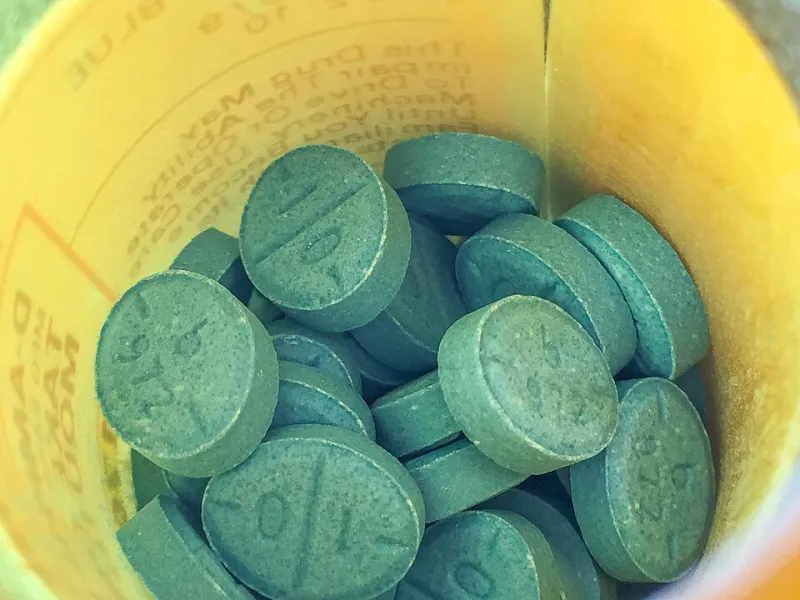
Photo: Captain Andrew M. Freeman, Air Force Institute of Technology / Air Force Research Laboratories (AFRL), Sensors, ATR, Target Recognition Branch., Public domain, via Wikimedia Commons
When you hand over your insurance card at the pharmacy, you probably assume the price you're quoted is the result of a straightforward calculation — your plan's formulary tier, your deductible status, maybe a manufacturer rebate applied somewhere upstream. In reality, a growing number of the figures printed on your pharmacy receipt are shaped by something far more opaque: machine-learning algorithms that adjust drug costs dynamically, sometimes in real time, based on data points you never consented to share.
This is not a distant technological prospect. It is happening now, across major pharmacy benefit managers (PBMs), large retail pharmacy chains, and health insurance platforms. Understanding how these systems work — and where they leave consumers exposed — is increasingly essential for anyone trying to manage prescription costs in the United States.
What Algorithmic Pricing Actually Means in a Pharmacy Context
At its most basic level, algorithmic pricing refers to the use of automated, data-driven systems to set or adjust prices based on a range of input variables. In retail contexts like airline tickets or hotel rooms, consumers have grown somewhat accustomed to prices that shift based on demand, timing, and browsing history. In prescription drug pricing, the same logic is being applied — but the stakes are categorically different.
For PBMs, which sit between insurers and pharmacies and negotiate drug prices on behalf of health plans, AI tools are now being used to model patient behavior, predict adherence patterns, and optimize formulary placement decisions. These models can influence which drugs are covered at which tier, how aggressively rebates are pursued from manufacturers, and how copay structures are calibrated for specific patient populations.
For retail pharmacy chains, dynamic pricing systems can affect what cash-paying customers — those not using insurance — are charged at the point of sale. Prices for the same medication can vary not just between pharmacy chains, but between individual store locations within the same chain, based on local competitive data that algorithms continuously ingest and respond to.
The Data Behind the Price Tag
What variables do these systems actually use? While proprietary algorithms are closely guarded, industry reporting and academic research have identified several data streams that commonly feed into pharmaceutical pricing models:
- Local market competition: Algorithm systems monitor competitor pricing at nearby pharmacies and adjust accordingly, much like gasoline pricing at competing stations.
- Demand elasticity estimates: Predictive models assess how sensitive a given patient population is likely to be to price changes, based on historical fill rates and abandonment data.
- Formulary optimization signals: Insurers use AI to model which drug placements on a formulary tier generate the most favorable rebate agreements without triggering excessive member complaints or plan-switching.
- Geographic and demographic proxies: Some models incorporate zip-code-level data that functions as a proxy for income, health literacy, or price sensitivity — raising significant equity concerns that researchers have begun to document.
None of this information is disclosed to patients in any meaningful way. When a pharmacist tells you your copay is $47, there is no accompanying explanation of why that figure was generated, what data influenced it, or whether a different set of inputs might have produced a lower number.
Why Transparency Is So Difficult to Achieve
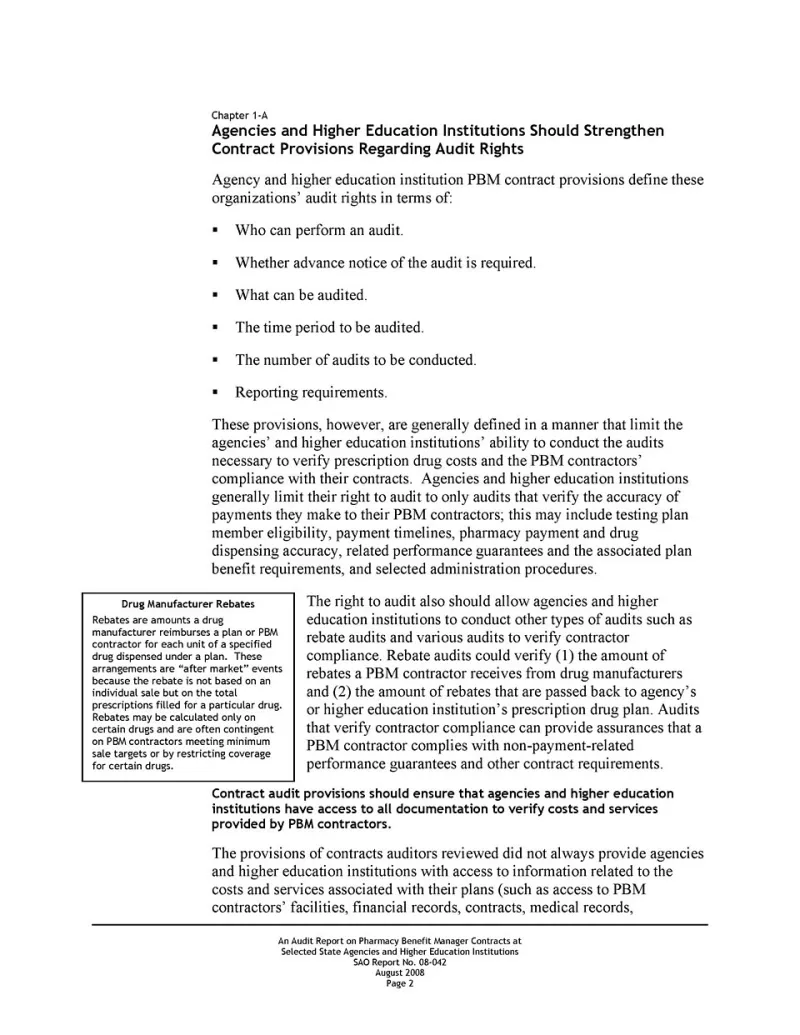
The opacity of algorithmic drug pricing is not accidental — it is structurally embedded in how the pharmaceutical supply chain operates. PBMs, for instance, have long resisted disclosure requirements on the grounds that their pricing formulas constitute proprietary trade secrets. Pharmacy chains make similar arguments about competitive sensitivity.
Regulatory frameworks have struggled to keep pace. While the No Surprises Act and various state-level pharmacy transparency laws have chipped away at some hidden costs in healthcare billing, they largely do not address the algorithmic layer of pricing decisions. The Federal Trade Commission has signaled interest in PBM practices, and its 2024 interim report on PBMs highlighted how opaque pricing structures harm both patients and independent pharmacies — but specific rules governing AI-driven pricing in drug markets remain largely absent.
The result is an information asymmetry that almost entirely favors the institutions setting prices over the individuals paying them.
Real-World Consequences for Patients
The practical effects of algorithmic pricing are not abstract. Consider a few scenarios that illustrate how these systems can disadvantage consumers:
The formulary shuffle: An insurer's AI model determines that moving a widely used medication from Tier 2 to Tier 3 will generate a more favorable rebate from a competing manufacturer. The patient, whose copay increases by $30 per month as a result, receives a formulary change notice buried in their annual plan documents — but has no way of knowing that the change was driven by an automated optimization model rather than a clinical determination.
The cash-price variance: A patient without insurance checks the price of a generic blood pressure medication at two locations of the same national pharmacy chain six miles apart. The prices differ by $22. Both prices were set by the same algorithmic pricing engine responding to different local competitive inputs — a fact the patient has no way to verify or challenge.
The adherence penalty: Some research suggests that pricing algorithms, by optimizing for revenue rather than health outcomes, may inadvertently set prices at thresholds that cause patients to abandon prescriptions. A model that identifies a patient as price-inelastic — based on their history of filling prescriptions regardless of cost — may effectively assign them a higher price point than a patient flagged as more likely to seek alternatives.
What Consumers Can Do Right Now
While the systemic transparency problems described above require regulatory solutions that are still evolving, there are concrete steps patients can take to reduce the impact of algorithmic pricing on their out-of-pocket costs.
Compare prices across multiple tools. Platforms such as GoodRx, RxSaver, and Cost Plus Drugs aggregate pricing data from multiple sources and can reveal significant variation that algorithmic pharmacy pricing creates. These tools effectively let you shop across the outputs of competing pricing systems.
Ask explicitly about cash versus insurance pricing. Because algorithmic systems optimize insurance and cash pricing through different models, the cash price is sometimes lower than your insured copay — particularly for generic medications. Always request both figures before completing a transaction.
Request a formulary exception if your drug tier changes. If your plan's AI-driven formulary optimization moves your medication to a higher tier, your insurer is required to have an exception process. Documenting medical necessity with your prescribing physician is often sufficient to secure tier-level pricing.
Use state insurance commissioner resources. Many states now require insurers to provide machine-readable formulary data, which consumer advocates and price-comparison tools use to surface pricing anomalies. If you believe a pricing decision is arbitrary or discriminatory, your state's insurance commissioner is a legitimate avenue for complaint.
Monitor your Explanation of Benefits closely. EOB documents, while often dense, can reveal pricing inconsistencies across fill dates that may indicate algorithmic adjustments have occurred. A sudden change in your cost-share without a corresponding formulary notice is worth investigating.
A Structural Problem That Requires Structural Solutions
Ultimately, the rise of AI-driven drug pricing is an extension of a longstanding dynamic in the American pharmaceutical market: institutions with access to superior information and computational resources consistently extract value from patients who lack both. The algorithms are new; the asymmetry is not.
What has changed is the speed and scale at which these pricing decisions are made, and the degree to which human judgment — fallible but at least auditable — has been replaced by systems that are neither transparent nor easily contestable.
For consumers, vigilance and comparison shopping remain the most accessible tools available. For policymakers, the question of whether AI-driven pricing in pharmaceutical markets requires dedicated disclosure standards — analogous to what financial regulators require for algorithmic trading — is one that will likely define the next chapter of drug pricing reform in the United States.
At RxPriceWatch, we will continue tracking how these systems evolve and what they mean for what Americans actually pay at the pharmacy counter.