Coverage Gaps and Cost Cliffs: What Happens to Your Drug Prices When Insurance Disappears

Photo: https://www.myupchar.com/en, CC BY-SA 4.0, via Wikimedia Commons
For many patients managing chronic conditions, prescription medication is not optional — it is a daily necessity as essential as food or shelter. Yet a significant portion of American adults will experience at least one gap in health insurance coverage during their lifetime, whether through job loss, aging off a parent's plan, missing an open enrollment window, or transitioning between government programs. When that gap arrives, the price of a familiar medication can change dramatically — sometimes tripling or quadrupling within a single billing cycle.
Understanding why this happens, and how to prepare for it, is among the most practical forms of financial self-defense available to prescription drug consumers.
The Mechanics Behind the Price Multiplier
Insurance plans do not simply pay for drugs — they negotiate discounted rates with pharmacy benefit managers (PBMs) and drug manufacturers on behalf of their members. When you present an insurance card at the pharmacy counter, the price you see reflects those negotiated terms. When that card is no longer valid, the pharmacy reverts to a different pricing structure entirely: the cash price, sometimes called the "usual and customary" rate.
For many common medications, the difference between the insured rate and the cash price is staggering. Consider a patient taking a brand-name statin for high cholesterol. With commercial insurance and a standard copay, that patient might pay $30 to $50 per month. Without insurance, the same 30-day supply at a retail pharmacy can exceed $300. For insulin-dependent diabetics, the gap can be even more severe. Certain insulin formulations carry list prices above $300 per vial — a cost that may have been invisible to the patient while insured but becomes an immediate crisis the moment coverage lapses.
Generic medications fare somewhat better, but the disparity remains real. A generic blood pressure medication that costs $5 under insurance may cost $25 to $45 as a cash transaction at a standard retail pharmacy — a manageable increase for some, but a genuine hardship for patients on fixed incomes or those managing multiple prescriptions simultaneously.
The Most Common Triggers for Coverage Loss
Several distinct events create the conditions for what might be called a prescription price cliff. Recognizing them in advance is the first step toward mitigating the damage.
Aging off a parent's plan. Under the Affordable Care Act, young adults may remain on a parent's insurance until age 26. The transition off that plan is a known date — yet many young adults, particularly those who are healthy and have not needed frequent prescriptions, are unprepared for the cost exposure that follows. Those who develop a chronic condition in their early to mid-twenties may find themselves facing full retail drug prices with little warning.
Job transitions and COBRA delays. Employees who leave a job, whether voluntarily or through layoff, typically lose employer-sponsored coverage at the end of the month in which their employment ends. COBRA continuation coverage is available but requires enrolling within 60 days — and premiums can be two to three times higher than what the employee previously paid, since the employer subsidy disappears. During the decision period, or if COBRA is declined, prescription costs revert to cash rates.
Open enrollment deadline misses. The federal Health Insurance Marketplace and most employer-sponsored plans operate on fixed annual enrollment windows. Missing these windows — sometimes by only a few days — can lock a patient out of coverage for months, with limited exceptions for qualifying life events. For patients taking expensive maintenance medications, even a 60-day gap can generate thousands of dollars in out-of-pocket costs.
Medicare Part D transitions. Patients aging into Medicare at 65 face a distinct set of coverage complications. The transition from employer coverage to Medicare Part D, if not timed correctly, can leave a patient without prescription coverage during the gap. Additionally, those who do not enroll in Part D promptly upon becoming eligible face late enrollment penalties that permanently increase their premium costs.
Which Drug Categories Are Most Vulnerable
Not all prescription categories are equally affected by coverage transitions. Medications used to treat chronic, ongoing conditions carry the highest financial risk during gaps, because they cannot simply be paused.
Cardiovascular medications — including statins, ACE inhibitors, beta-blockers, and anticoagulants — represent a major category of concern. Patients who discontinue these drugs abruptly due to cost face not only financial risk but potential health consequences. Diabetes management drugs, including GLP-1 receptor agonists that have surged in popularity, carry some of the highest list prices in retail pharmacy. Mental health medications, including certain antidepressants and antipsychotics, are another area where cash prices can shock patients accustomed to low copays.
Biologic medications used for autoimmune conditions such as rheumatoid arthritis, Crohn's disease, and psoriasis occupy a category of their own. These drugs can carry monthly list prices in the thousands, making any lapse in coverage financially catastrophic without advance planning.
Practical Strategies for Navigating the Transition
The most effective approach to a coverage gap is anticipating it before it arrives. Several strategies can reduce — or in some cases eliminate — the cost differential during a transition period.
Request a larger supply before coverage ends. Many insurance plans allow for a 90-day supply at mail-order pharmacies, and some will authorize an early refill under certain circumstances. Filling a 90-day supply while still insured can bridge a significant portion of a coverage gap at the insured rate.
Investigate manufacturer patient assistance programs. Most major pharmaceutical companies operate programs that provide free or reduced-cost medications to patients who meet income eligibility requirements. These programs vary widely in their criteria and application timelines, so initiating the process before coverage ends is essential.
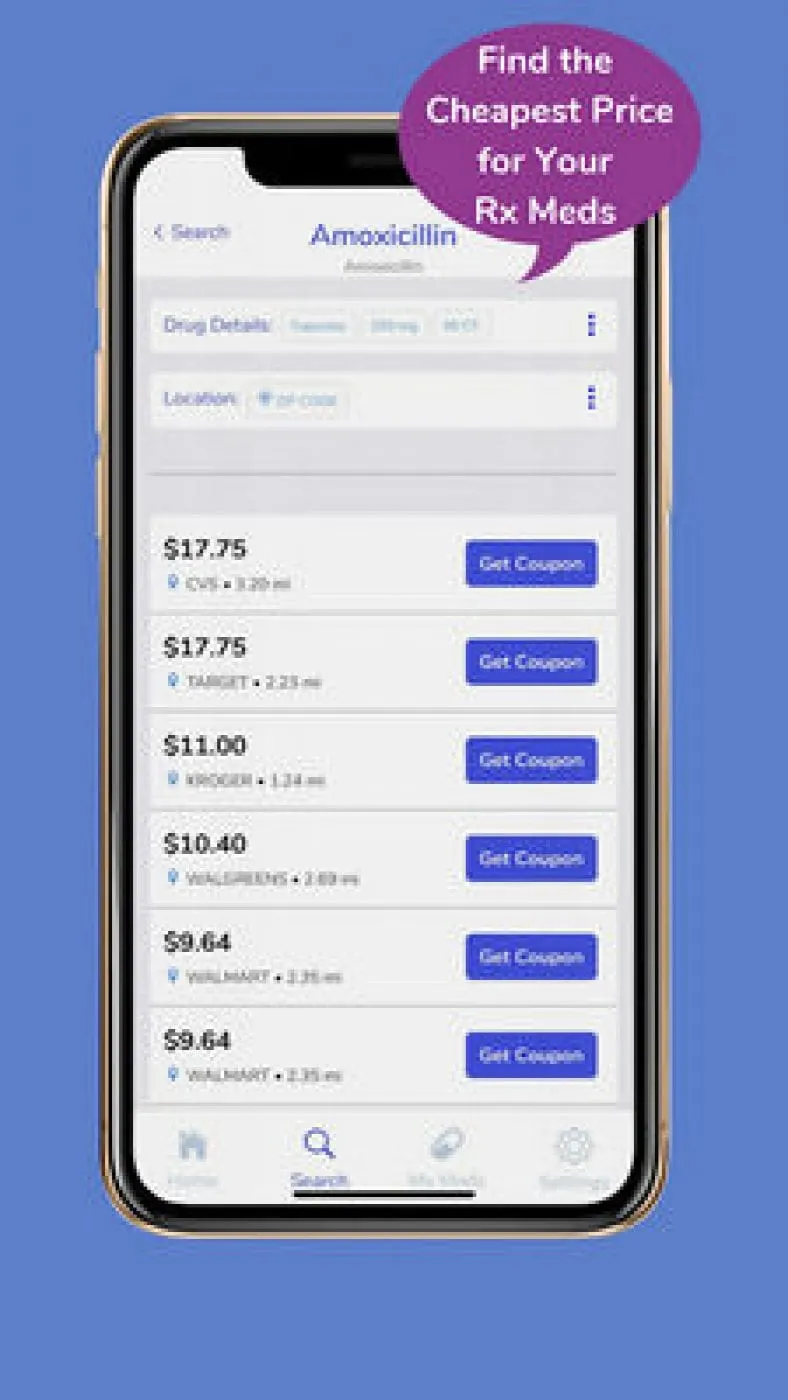
Compare cash prices across platforms. Discount programs such as GoodRx, RxSaver, and Cost Plus Drugs have fundamentally changed the landscape for uninsured patients. For many generic medications, these programs offer prices that are competitive with — and sometimes lower than — insured copays. A patient without coverage who presents a GoodRx coupon may pay less than a patient using insurance at a different pharmacy.
Explore state pharmaceutical assistance programs. Many states operate programs specifically designed to help residents who fall into coverage gaps, particularly for specific drug categories. Eligibility and benefit structures vary significantly by state, but these programs are frequently underutilized.
Consider a short-term marketplace plan. For patients facing a gap of more than 30 days, enrolling in a marketplace plan through a qualifying life event — such as job loss — may be more cost-effective than paying cash prices, particularly for patients on multiple expensive medications.
The Broader Takeaway
Prescription drug pricing in the United States is not a single, stable number — it is a negotiated outcome that shifts based on who is paying and under what terms. The cash price and the insured price for the same drug can differ by hundreds of dollars, and that gap falls hardest on patients at their most financially vulnerable moments.
The prescription price cliff is a structural feature of the American pharmaceutical market, not an anomaly. Patients who understand the mechanics behind it — and who plan their coverage transitions with the same care they apply to their medical care itself — are far better positioned to navigate it without lasting financial harm.
For ongoing pricing data, drug-specific cost comparisons, and coverage transition resources, RxPriceWatch continues to monitor pharmacy pricing across retail, mail-order, and discount channels.