Why Your Neighbor in Another State Pays Far Less for the Same Prescription: A Guide to Geographic Drug Price Gaps
Photo: WClarke, CC BY-SA 4.0, via Wikimedia Commons
A Single Drug, Fifty Different Markets
The United States does not have a single prescription drug market. It has fifty of them — each shaped by its own regulatory environment, Medicaid reimbursement policy, pharmacy licensing rules, and competitive landscape. For patients who have relocated across state lines or who travel regularly, the sticker shock of discovering that their monthly medication costs dramatically more in their new home state is both surprising and frustrating.
Data compiled from CMS public use files, state Medicaid pharmacy reimbursement schedules, and retail pharmacy pricing surveys consistently shows that geographic price disparities for common medications are not marginal. For certain generic drugs, the gap between the lowest-cost state and the highest-cost state exceeds 60 percent when comparing cash prices at retail pharmacies. For some specialty medications, the differential is even more pronounced.
Understanding why these gaps exist — and what patients can legally do about them — is a core part of what RxPriceWatch aims to provide.
The Regulatory Patchwork That Drives Pricing Differences
Unlike food or consumer electronics, prescription drugs do not carry uniform national retail prices. Several regulatory and structural factors create the conditions for geographic variation.
State Medicaid reimbursement rates are among the most influential. Medicaid programs in each state negotiate or set their own reimbursement rates for covered medications, and these rates indirectly influence the broader retail pricing environment. States with more generous Medicaid reimbursement rates — often larger states with higher costs of living — tend to see elevated retail prices as pharmacies calibrate their overall pricing structure against the dominant payer in their market. States with aggressive Medicaid cost-containment policies, by contrast, often exhibit lower baseline retail prices.
Pharmacy regulations and licensing requirements vary substantially. Some states impose stricter requirements on pharmacy ownership, compounding, and mail-order operations, which can reduce competition and elevate costs. States that have actively expanded access to pharmacy services — including allowing pharmacist-initiated dispensing for certain drug classes — often see more competitive pricing as a result of a more active provider landscape.
State-level price transparency laws are an emerging factor. As of 2024, a growing number of states have enacted legislation requiring pharmacies or PBMs to disclose pricing data in standardized formats. Research suggests that greater transparency correlates with modestly lower consumer prices over time, as market participants face more accountability for pricing decisions.
Regional Competition and Its Effect on Consumer Prices
Market structure plays a significant role as well. In densely populated metropolitan areas — regardless of state — competition among pharmacy chains, independent pharmacies, and mail-order services tends to exert downward pressure on retail prices. Rural communities, by contrast, often have limited pharmacy options, and the absence of competitive pressure allows prices to remain elevated.
This dynamic partly explains why some states with large rural populations appear in higher-cost tiers even when their Medicaid reimbursement rates are not particularly generous. A patient in a rural county with one independent pharmacy within 30 miles has essentially no competitive leverage, while a patient in a major metropolitan market can comparison-shop across a dozen providers within a few miles.
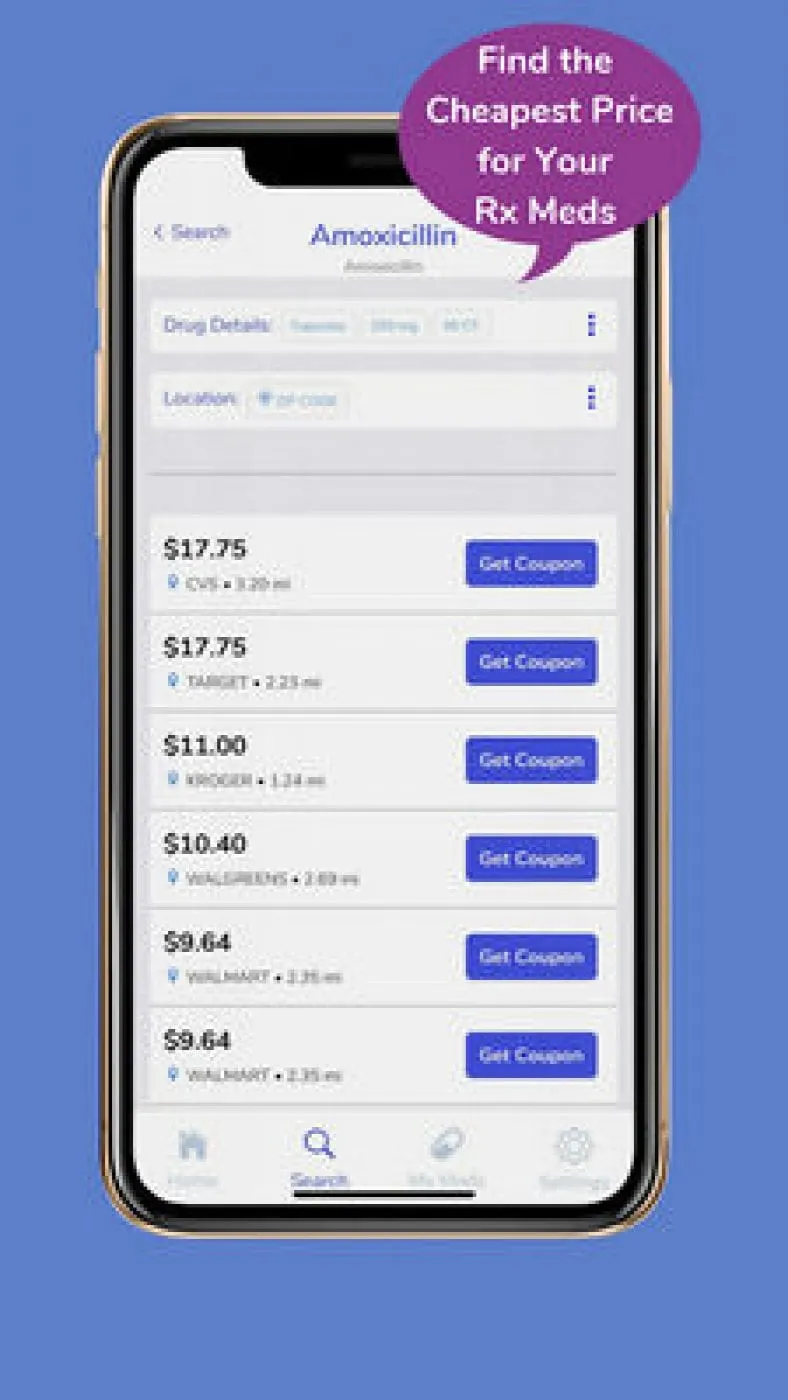
Chain pharmacies also employ regional pricing strategies. While a national chain may advertise uniform pricing, their actual cash prices — particularly for generic medications — are often adjusted at the regional or even store level based on local competitive intelligence. This means that two branches of the same pharmacy chain in different states may quote meaningfully different prices for the same medication.
What the Numbers Show: High-Cost vs. Low-Cost States
Publicly available data from NADAC surveys and state Medicaid drug pricing schedules allow for approximate state-level comparisons. While individual prices shift frequently, certain patterns have proven durable over multiple years of observation.
States in the South and Mountain West regions, including Mississippi, West Virginia, and Wyoming, have historically appeared among higher-cost tiers for certain generic medications when comparing cash prices at retail pharmacies. States with robust Medicaid managed care programs and significant urban pharmacy competition — including Minnesota, Washington, and Massachusetts — have at times demonstrated lower average retail prices for the same drug categories, though this varies considerably by therapeutic class.
For brand-name medications, geographic price variation is less dramatic at the retail level because manufacturer list prices are set nationally. However, the out-of-pocket cost to the patient — which is mediated by insurance plan design, state Medicaid coverage rules, and the availability of manufacturer assistance programs — can still vary significantly by state.
Legal Strategies for Patients in Higher-Cost States
Residents who find themselves in states with elevated prescription pricing have several legitimate avenues to access lower-cost options.
Mail-order pharmacy services operate under federal licensing and are not subject to the same state-level pricing dynamics as brick-and-mortar retail pharmacies. For maintenance medications taken on a long-term basis, transitioning to a mail-order supplier — often available through an insurer's preferred pharmacy network — can yield meaningful savings regardless of where the patient lives.
State pharmaceutical assistance programs (SPAPs) exist in more than 30 states and provide additional cost-sharing support to eligible residents, particularly seniors and low-income households. Eligibility criteria and benefit levels vary, but these programs can substantially offset the impact of high retail prices in certain states.
Manufacturer patient assistance programs (PAPs) are federally administered and available to qualifying patients regardless of their state of residence. For brand-name medications in particular, PAPs can reduce or eliminate out-of-pocket costs for patients who meet income thresholds.
Cross-border pharmacy access, while complex, is permitted in limited circumstances. The FDA has historically tolerated personal importation of small quantities of medications from Canada for personal use, and some states — most prominently Florida — have pursued formal state-level importation programs under Section 804 of the Federal Food, Drug, and Cosmetic Act. Patients considering this option should consult current federal guidance, as the regulatory landscape continues to evolve.
The Policy Dimension
Geographic prescription price disparities are not simply a market anomaly — they reflect deliberate policy choices made at both the state and federal level. Advocates for drug pricing reform have long argued that greater federal price standardization, expanded Medicaid negotiating authority, and more rigorous PBM transparency requirements would reduce the most egregious state-level gaps.
Until such reforms materialize, patients bear the practical burden of navigating a system in which their ZIP code can be as consequential to their prescription costs as their insurance plan. At RxPriceWatch, we believe that access to clear, accurate pricing information is the first step toward empowering consumers to make better decisions — regardless of which state they call home.